
It is not uncommon for people with lower back pain to be afraid of using their lower back muscles. If you have had a back injury or dealt with back pain, it can be quite unpleasant to use your back muscles initially.
So naturally you learn, or your Physical Therapist or doctor told you to protect your back and use other muscles to support it. Bend with your knees, use your glutes, strengthen your core, work on your “posterior chain” etc.
So you completely avoid ever using your back and learn strategies that complete bypass stressing the area. And this can work for a time in helping your pain subside because you are minimizing stress to the area.
I am not opposed to that at all as a short term strategy.
The problem begins when it turns into a long term strategy.
We all know that if you don’t use it, you lose it: Your back strength, the mobility to bend, the coordination of the muscles, the muscle memory, and the overall capacity of your back to simply be able to do work.
And this might be one of the most common patterns I see clinically in people with chronic lower back pain. Somewhere along the way they learned a protective strategy that helped initially, it became a long term strategy, and years later that engrained pattern has only made the problem worse.
Of course everyone’s story and case is different. But this principle is pretty consistent. Strengthening your lower back and restoring full range of motion to have a bigger sandbox to play in can be an absolute game changer.
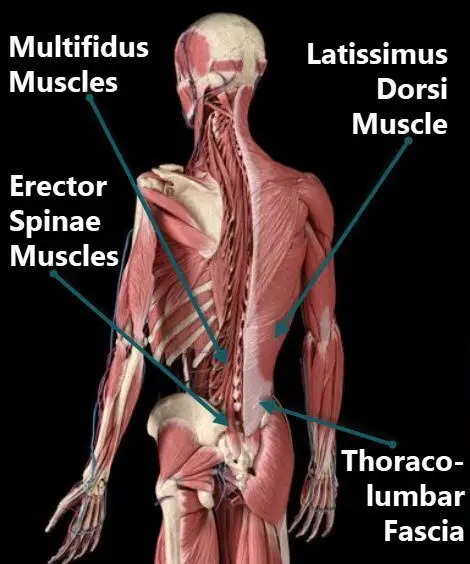
There is a test called the Beiring-Sorenson test that tests the endurance of your spinal erector muscles. In multiple studies measuring this, they found that the performance on this test was a strong predictor of future lower back pain within 1 year.
Demoulin et al showed that maintaining the Biering–Sorenson position for less than 176 seconds, predicts low back pain within the next year and greater than 198 seconds predicts absence of low back pain. (PMID: 16461206)
Furthermore, atrophy of the spinal extensor muscles has been shown at higher incidince in people with chronic lower back pain (PMID 40361257)
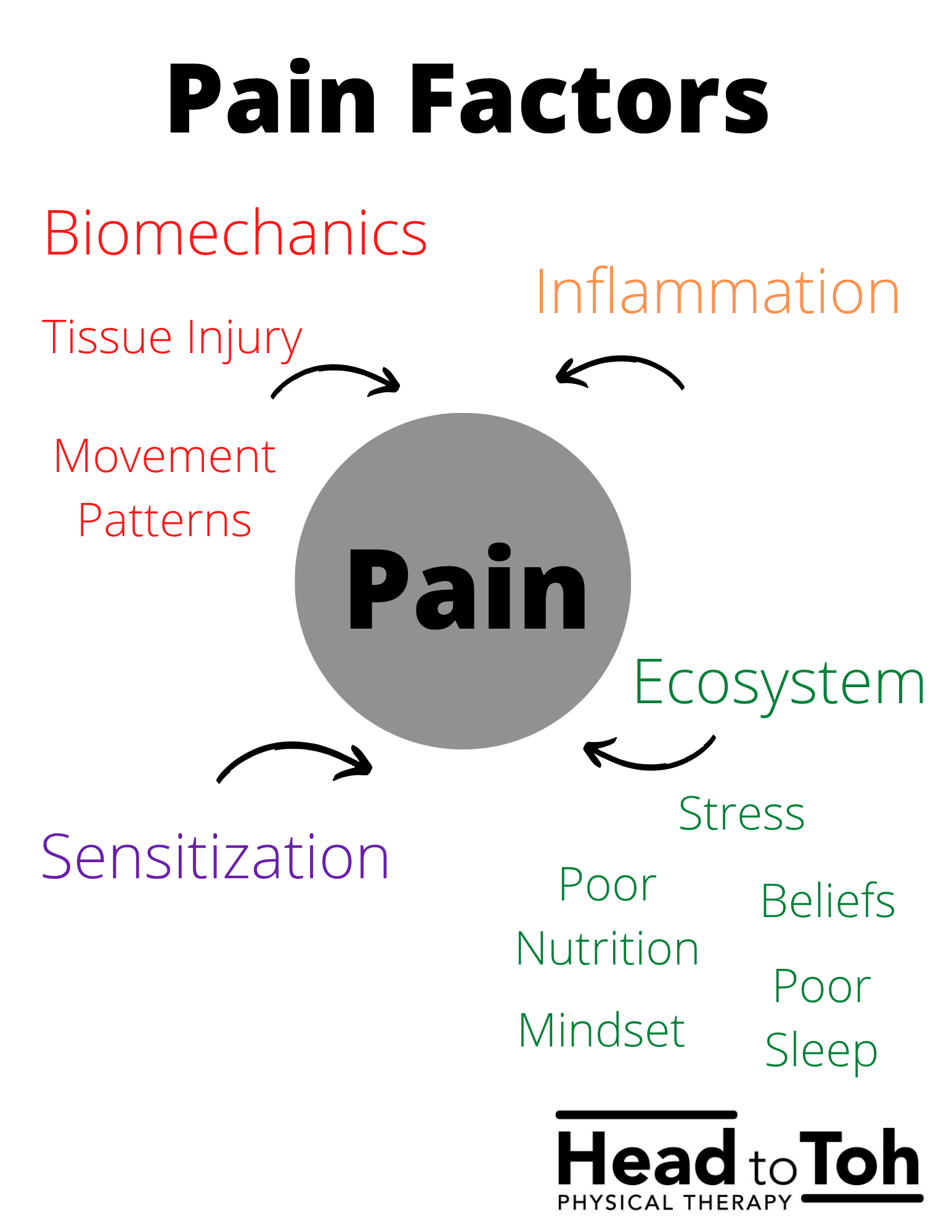
To be clear, lower back pain is almost never this black and white. Pain, especially chronic pain can be very complex and is almost always multi-factorial.
Nonetheless, restoring back strength and mobility can be a big part of that picture for many, and I am gonig to share 5 reasons why.
Well obviously, that spot is going to look a little different for everyone. But as I mentioned earlier, the key is to find wher is your tolerable entry point. We don’t want to avoid confrontation forever, but we also don’t want to super aggressively confront out of the gate and shock your body. You need to ease into it. It is a process and it takes time, typically on the order of 3-6 months for most people.
So don’t expect overnight results. (believe me I would sell whatever was doing that if that were a thing) But also remember, good things take time, and creating a lasting change take time. Commit to the process and your back will thank you big time over the long haul.
Here are some examples of movements I use with people to start this process (and all of these can be modified in countless ways to dial them a little easier, or a little harder).
And if you are looking for a more personalized approach to your back rehab, that is what we do. Reach our for a Free Discovery Call so we can chat and learn more about your story to see if we can help.